Why My voice may help You
In immigration practice, many attorneys learn while already carrying enormous responsibility. Real supervision is rarer than it should be. A lot of lawyers in this field learn by doing, under pressure, and by finding mistakes the hard way.
I was fortunate to learn under attorneys who had already spent years of their lives in this work and who taught me to approach it seriously. Attorneys like Bridget Cambria, Jackie Kline, Jerilynn Gonzales Abrams, Jeff Gonzales, Taylor Levy, and Jill Nedved helped shape how I think about records, clients, procedure, and the consequences of getting things wrong.
Had I not had that kind of mentorship, I likely would have become a different kind of lawyer.

How I approach immigration cases
I do not approach immigration practice as form-filling. I work by building a legal structure out of fractured facts.
A lot of the work I do starts with facts that are hard to organize, records that are incomplete, or hearings that went wrong before anyone clearly named the problem. My job is to slow that down, identify the real issue, and build a case that can actually be argued.
That often means separating threshold issues from merits issues, organizing the record, preserving procedural unfairness, and connecting declarations, evidence, briefing, testimony, and appeal points into one clear litigation story.
The materials in this library come out of that method. They are not meant to be plug-and-play forms. They are meant to show how difficult cases are structured, how broken records are clarified, and how hearing-level problems are framed before they disappear.
This library is part of my attempt to pass forward what I learned from that village of fighters, and to offer something useful to attorneys trying to navigate this field without the kind of guidance that should be more available than it is.
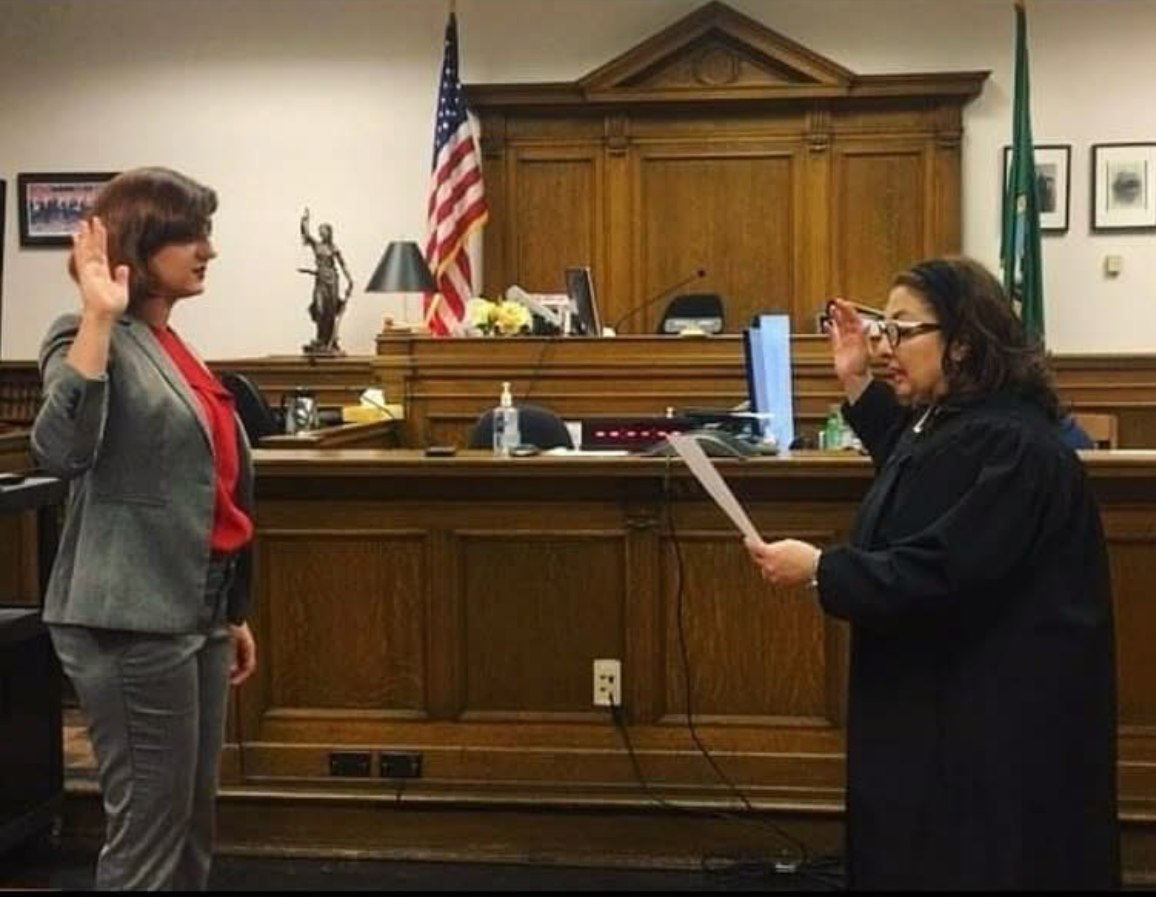
What shaped the way I practice
Since 2019, my practice has spanned roughly 850 to 1,000 immigration matters across nonprofit work, private practice, community-based advocacy, and founder-led litigation. It has included detention defense, asylum, removal litigation, humanitarian relief, criminal-immigration analysis, waivers, BIA appeals, and federal-level issue development. That’s how this humble library was shaped.
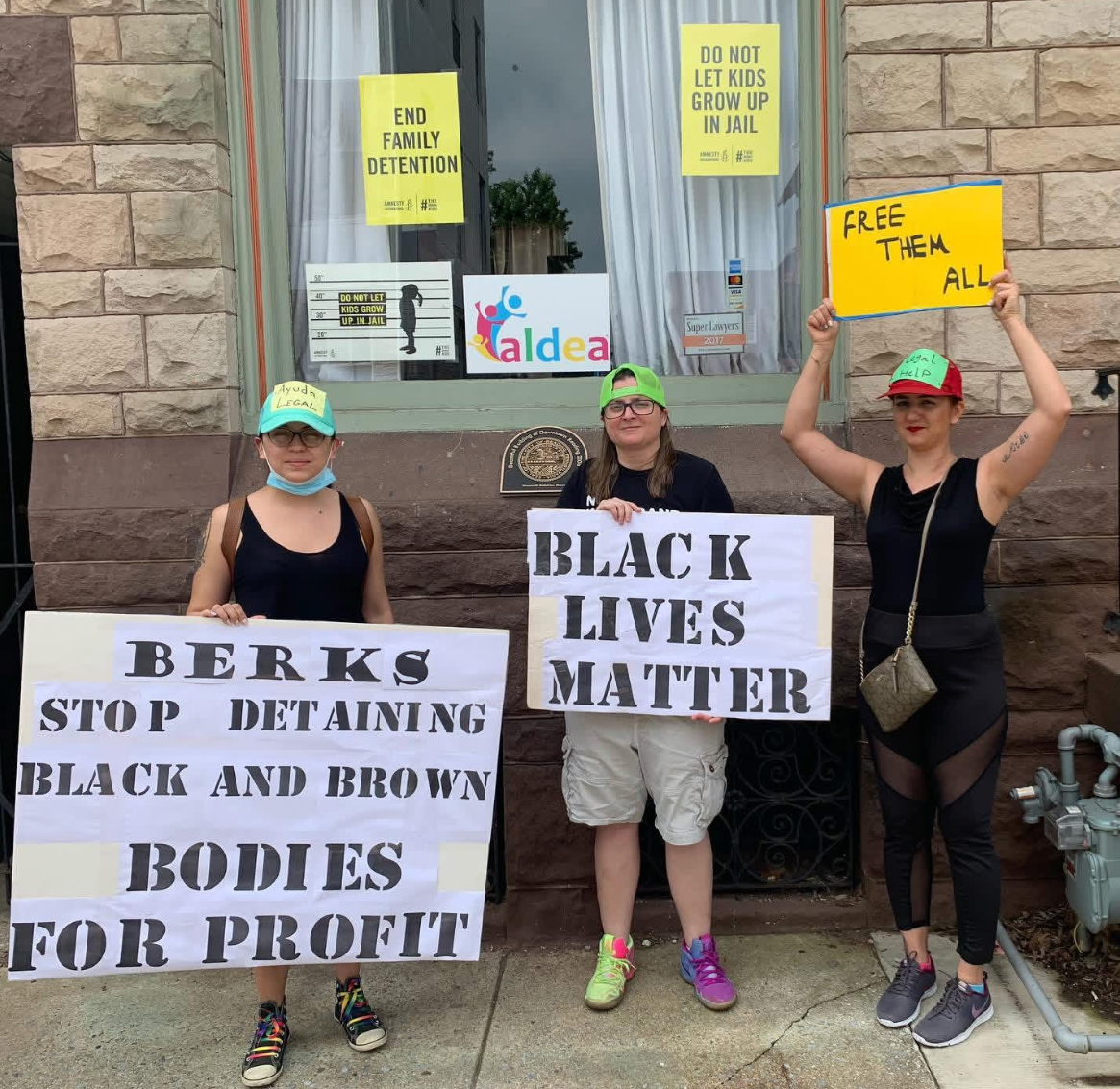
That work has taken me through Berks, Dilley, Karnes, and York, into USCIS, EOIR, BIA, and federal litigation, and across matters involving recent arrivals, detained families, individual proceedings, trafficking survivors, gender-based claims, clients with serious criminal histories, and immigrants trying to understand immigration consequences while criminal cases were still unfolding.
I have always cared about structure and interdisciplinary work. For the populations we represent, immigration law cannot be understood in isolation from criminal law, constitutional limits, procedure, trauma, or the way state power actually operates.
I was also shaped by studying across different legal traditions — civil-law systems, Islamic jurisprudence, and U.S. common law. To understand each one, I had to learn to think in its own language, because no legal system fully translates into another. What they share, at their best, is a law of humanity.
Initiate Your Consultation
Complete the brief inquiry form to connect with our advisory team, who will recommend a customized enrollment strategy aligned with your professional objectives.